Multiple Choice
Identify the
choice that best completes the statement or answers the question.
|
|
|
1.
|
In which year was the Smith-Hughes Act passed?
|
|
|
2.
|
Which organization is a middle and high school organization most closely tied to
agricultural education courses?
a. | National FFA Organization | b. | Agricultural Youth of
America | c. | 4-H | d. | American Rural Student
Society |
|
|
|
3.
|
A(n) ____ is an indicator that more than one person wants to discuss a
motion.
a. | vote | b. | second | c. | debate | d. | amendment |
|
|
|
4.
|
Once recognized by the chair, all motions should begin with the words
______.
a. | “I motion to” | b. | “I’d like to make a motion
that” | c. | “I move” | d. | “If it pleases the
chair” |
|
|
|
5.
|
Each floor member may debate a debatable motion ____.
a. | once | b. | twice | c. | five
times | d. | an unlimited number of times |
|
|
|
6.
|
How many gavel taps signify the result of a vote?
a. | 1 | b. | 2 | c. | 3 | d. | A short series |
|
|
|
7.
|
How many gavel taps signify the beginning of a meeting?
a. | 1 | b. | 2 | c. | 3 | d. | A short series |
|
|
|
8.
|
How many gavel taps signal members to rise?
a. | 1 | b. | 2 | c. | 3 | d. | A short series |
|
|
|
9.
|
Which SAE type typically includes an investment of both time and money?
a. | Exploratory | b. | Research | c. | Placement | d. | Entrepreneurship |
|
|
|
10.
|
Record keeping for all types of SAEs require you to journal your ____.
a. | money | b. | experiences | c. | animal
types | d. | taxes |
|
|
|
11.
|
Which of the following items are suitable eye protection for a shop or
lab?
a. | Standard prescription glasses | b. | Goggles | c. | Most brands of
sunglasses | d. | Prescription contact lenses |
|
|
|
12.
|
Which type of plant tissue is responsible for carrying water and nutrients up
the plant?
a. | Epidermal | b. | Ground | c. | Phloem | d. | Xylem |
|
|
|
13.
|
Which type of plant tissue is responsible for carrying nutrients produced by the
plant toward the roots?
a. | Epidermal | b. | Ground | c. | Phloem | d. | Xylem |
|
|
|
14.
|
If a flower contains all four of the basic flower parts, it is considered a(n)
____ flower.
a. | imperfect | b. | perfect | c. | pistillate | d. | staminate |
|
|
|
15.
|
Which type of growth cycle is characterized by plants that grow for many growing
seasons?
a. | Annuals | b. | Biennials | c. | Continuals | d. | Perennials |
|
|
|
16.
|
Which type of growth cycle is characterized by plants that live for two years to
complete their growing cycle?
a. | Annuals | b. | Biennials | c. | Continuals | d. | Perennials |
|
|
|
17.
|
Topsoil, the uppermost layer of soil, ____.
a. | is the most fertile and darkest in color | b. | is lighter in color
and contains little organic matter | c. | contains mostly weathered rock
fragments | d. | None of the above. |
|
|
|
18.
|
Subsoil, the layer just below the topsoil, ____.
a. | contains few roots | b. | is gravelly and helps improve
drainage | c. | is lighter in color and contains little organic matter | d. | All of the
above. |
|
|
|
19.
|
Which of the following is not one of the three soil particles?
|
|
|
20.
|
The smallest soil particle is ____.
|
|
|
21.
|
Which of the following is not a hardwood species?
a. | Ash | b. | Black cherry | c. | Douglas
fir | d. | Oak |
|
|
|
22.
|
Trees cut for construction lumber are generally cut into ____ lengths or
logs.
|
|
|
23.
|
____ are the smaller coniferous trees grown to produce paper and paper products
like cardboard.
a. | Lumber | b. | Pulpwood | c. | Sawlogs | d. | Veneer |
|
|
|
24.
|
Another name for coniferous trees is ____ trees.
a. | crown | b. | deciduous | c. | evergreen | d. | sapwood |
|
|
|
25.
|
What is the system called that groups soils with similar limitations and
classifies them according to the best possible use?
a. | Land Factor | c. | Land Capabilitiy Class | b. | Land
Form | d. | Land Use
Class |
|
|
|
26.
|
FFA was established at a Livestock Judging Contest
where?
a. | Alexandria, Virginia | c. | Frederickstown,
Ohio | b. | Kansas City, Missouri | d. | Athens,
Georgia |
|
|
|
27.
|
What does SAE stand for?
a. | Supervised Agricultural Experience | c. | Saturday Agricultural Experience | b. | Student Agricultural
Experience | d. | Sunrise Agricultural Experience |
|
|
|
28.
|
What are the 3 main components of the FFA
Mission?
a. | Premier Livelihood, Personal Success and Career
Growth | c. | Personal Growth, Premier Leadership & Career
Development | b. | Premier Leadership,
Personal Growth, and Career Success | d. | SAE, CDE & Classroom
Instruction
|
|
|
|
29.
|
The New Farmers of America (NFA) and the Future Farmers of
America (FFA) merged in _________.
|
|
|
30.
|
What percent of soil is pore space (air and
water)?
|
|
|
31.
|
Land best suited for crop production will be in classes
_______.
a. | I, II, III, IV | c. | odd
number | b. | V, VI, VII, or VIII | d. | even
number |
|
|
|
32.
|
The most common limiting factor for classifying land as
cultivatable is....
a. | drainage | c. | slope | b. | topsoil
thickness | d. | erosion |
|
|
|
33.
|
The loss of topsoil and rocks due to wind and rain is
called...
a. | Erosion | c. | Tillage | b. | Construction | d. | Best Management Practices |
|
|
|
34.
|
Soil horizon often called the topsoil; it provides the best
environment for the growth of plant roots, microorganisms, and other life.
|
|
|
35.
|
The part of the tree that contains the green chloroplasts
and is the site of photosynthesis is the
a. | Leaves | c. | Soil | b. | Roots | d. | Stem |
|
|
|
36.
|
A(n) ____ SAE is for students who want to conduct activities
for a profit.
a. | Protective | c. | Exploratory | b. | Placement | d. | Entrepreneurship |
|
|
|
37.
|
How is a gavel used in a meeting?
a. | call a meeting to order | c. | adjourn the
meeting | b. | announce the results of votes | d. | all of the
above |
|
|
|
38.
|
Which of the following is not a part of the FFA
symbol?
a. | Eagle | c. | Hoe | b. | Corn | d. | rising sun |
|
|
|
39.
|
The FFA colors are ____ and ____.
a. | green and white | b. | the FFA chapter’s own school colors | c. | national blue, corn gold | d. | American blue, sun
yellow |
|
|
|
40.
|
What is the term for meat from cattle?
a. | pork | c. | cheval | b. | beef | d. | mutton |
|
|
|
41.
|
The black wire connects to the ________ colored terminal.
a. | Brass | c. | Green | b. | Silver | d. | None of the
above |
|
|
|
42.
|
The white wire connects to the ___________ colored terminal.
a. | Brass | c. | Green | b. | Silver | d. | None of the
Above |
|
True/False
Indicate whether the
statement is true or false.
|
|
|
43.
|
One of the purposes of parliamentary procedure is to handle multiple items at
once.
|
|
|
44.
|
The person who seconds a motion must be in favor of the motion.
|
|
|
45.
|
The chairman can never vote on a motion.
|
|
|
46.
|
Livestock projects are essentially the only entrepreneurship SAE.
|
|
|
47.
|
Hands-on learning allows you to better understand and apply knowledge in an
interactive way.
|
|
|
48.
|
To be considered an SAE, the project should be tied to agriculture.
|
|
|
49.
|
You can only have one type of SAE at a time.
|
|
|
50.
|
Personal protective equipment includes equipment to protect your eyes, hearing,
and lungs.
|
|
|
51.
|
Most shop accidents with hand tools occur when the user fails to use the tool in
the manner for which it was designed.
|
|
|
52.
|
Electrical outlets will commonly get warm to the touch, and a warm outlet is no
cause for concern.
|
|
|
53.
|
It is always a good idea to know basic first aid regardless of where you work or
live.
|
|
|
54.
|
It is safe practice to use tools for jobs other than those for which they were
intended.
|
|
|
55.
|
Using the wrong hammer for a job may damage your materials, damage the hammer,
or cause injury.
|
|
|
56.
|
Using the wrong screwdriver can severely damage a screw.
|
|
|
57.
|
A Phillips-drive screwdriver has a flat blade.
|
|
|
58.
|
The pistil is the male portion of a flower.
|
|
|
59.
|
Clay is the largest soil particle and feels like baking powder in your
hands.
|
|
|
60.
|
Sand is the second largest soil particle.
|
|
|
61.
|
Sand is important for soil drainage and aeration because the pore spaces between
particles of sand are relatively large.
|
|
|
62.
|
Silt is the smallest soil particle.
|
|
|
63.
|
The climate of an area affects soil formation.
|
|
|
64.
|
Soil is composed of material that is both living and nonliving.
|
|
|
65.
|
The roots of trees absorb water and nutrients from the soil.
|
|
|
66.
|
Coniferous trees are trees that drop their leaves in the fall.
|
|
|
67.
|
Throwing is ok if it is only for a short distance or if someone needs something
quickly.
|
|
|
68.
|
Knowing the location and use of all safety equipment is good but not necessary.
That’s what the teacher is for.
|
|
|
69.
|
Never use equipment that is damaged, working incorrectly, or making strange
sounds
|
|
|
70.
|
To double-check a chemical before using it, sniff gently near the opening of
the container.
|
|
|
71.
|
The black conductor is technically called the ungrounded
circuit conductor.
|
|
|
72.
|
The white conductor is technically called the grounding
circuit conductor.
|
|
|
73.
|
A toggle on a single pole switch has both on and off
designations.
|
|
|
74.
|
Knowing the location and use of all safety equipment is good
but not necessary. That’s what the teacher is for.
|
|
|
75.
|
Fingers should be kept away from moving parts and cutting
edges.
|
|
|
76.
|
A toggle on a single pole switch has both on and off
designations.
|
|
|
77.
|
Fingers should be kept away from moving parts and cutting
edges.
|
Matching
|
|
|
Match the examples of SAEs with the SAE type (answers may be used more than
once). a. | Foundational SAE | b. | Research SAE | c. | Placement
SAE | d. | Entrepreneurship SAE |
|
|
|
78.
|
Raising and showing a livestock project
|
|
|
79.
|
Examining the best schools to attend to become a veterinarian
|
|
|
80.
|
Testing types of flower preservatives to see which flowers last longer
|
|
|
81.
|
Working the local feed store
|
|
|
82.
|
Job shadowing an agricultural loan officer
|
|
|
83.
|
Owning and managing a landscaping business
|
|
|
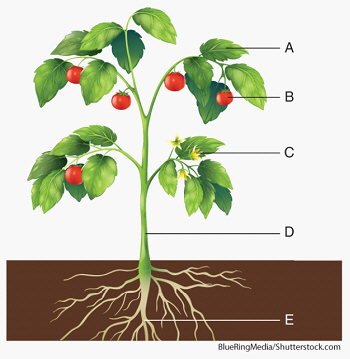
Match the plant parts to the correct terms.
|
|
|
84.
|
Flower
|
|
|
85.
|
Fruit
|
|
|
86.
|
Leaf
|
|
|
87.
|
Root
|
|
|
88.
|
Stem
|
|
|
Match the flower parts to the correct terms.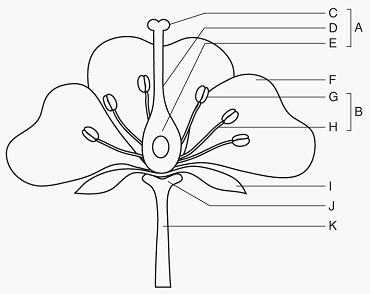
|
|
|
89.
|
Anther
|
|
|
90.
|
Filament
|
|
|
91.
|
Ovary
|
|
|
92.
|
Peduncle
|
|
|
93.
|
Petal
|
|
|
94.
|
Pistil
|
|
|
95.
|
Receptacle
|
|
|
96.
|
Sepal
|
|
|
97.
|
Stamen
|
|
|
98.
|
Stigma
|
|
|
99.
|
Style
|
|
|
Match the horizon to the soil layer with which it is typically associated.
Answers are used only once. a. | A-horizon | b. | B-horizon | c. | C-horizon | d. | R-horizon | e. | O-horizon |
|
|
|
100.
|
Bedrock
|
|
|
101.
|
Humus
|
|
|
102.
|
Subsoil
|
|
|
103.
|
Topsoil
|
|
|
104.
|
Weathered rock fragments
|
|
|
a. | Green | c. | Red | b. | Orange | d. | Yellow |
|
|
|
105.
|
Safety
|
|
|
106.
|
Caution
|
|
|
107.
|
Danger
|
|
|
108.
|
Warning
|
|
|
Match each term with the species it belongs to.
a. | cattle | c. | pigs | b. | horses | d. | sheep |
|
|
|
109.
|
mare
|
|
|
110.
|
bull
|
|
|
111.
|
boar
|
|
|
112.
|
ram
|
|
|
113.
|
heifer
|
|
|
114.
|
wether
|
|
|
115.
|
colt
|
|
|
a. | agricultural mechanics | e. | aquaculture | b. | agronomy | f. | forestry and natural
resources | c. | horticulture | g. | soil science | d. | animal production | h. | Agriscience and
Biotechnology |
|
|
|
116.
|
area of agriculture that includes the development and maintenance of equipment
and machinery for agricultural use
|
|
|
117.
|
area of agriculture that includes the science and technology of producing and
using plants for food, fuel, fiber, and land reclamation
|
|
|
118.
|
area of agriculture that includes the art and science of plant cultivation and
management
|
|
|
119.
|
study and management of domesticated animals
|
|
|
120.
|
production of aquatic species for human use
|
|
|
121.
|
cultivation and conservation of forests, wildlife, and other
natural
resources
|
|
|
122.
|
soil and land management and use
|
|
|
123.
|
research and innovation to improve agricultural methods
|