Multiple Choice
Identify the
choice that best completes the statement or answers the question.
|
|
|
1.
|
This photo shows an example of a(n) _____ forest. 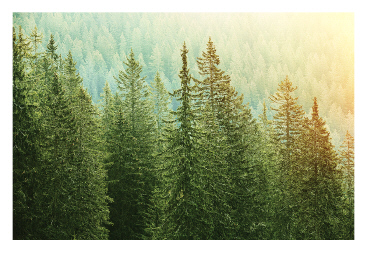 a. | deciduous | b. | coniferous | c. | dehiscent | d. | indehiscent |
|
|
|
2.
|
Which tree is an example of a deciduous tree?
a. | Larch | b. | Spruce | c. | Fir | d. | Birch |
|
|
|
3.
|
Trees reproduce sexually by _____.
a. | producing seeds | b. | growing leaves or needles | c. | shedding their
bark | d. | extending their roots |
|
|
|
4.
|
A compound leaf is a leaf that _____.
a. | produces seeds in cones | b. | starts out as a leaf but is later replaced by a
needle | c. | is exceptionally rigid | d. | is made up of multiple
leaflets |
|
|
|
5.
|
Trees cut for lumber are generally cut into _____ lengths.
|
|
|
6.
|
The overall reduction in the number of trees in an area of the forest is called
_____.
a. | culling | b. | coppicing | c. | girdling | d. | thinning |
|
|
|
7.
|
What is a Biltmore stick commonly used for?
a. | Measuring the harvestable height of a tree | b. | Clearing slash from
the forest floor | c. | Marking trees for culling | d. | Marking the ground to measure the level of pond
succession |
|
|
|
8.
|
Using the table below, determine the volume of a tree with a DBH of 34”
(0.86 m) that contains four 16’ (4.9 m) logs. 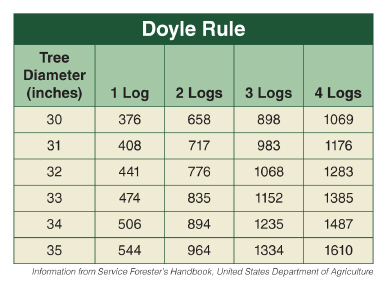 a. | 506 board feet | b. | 1385 board feet | c. | 1487 board
feet | d. | 1610 board feet |
|
|
|
9.
|
Which practice involves removing all trees from a given area?
a. | Shelterwood harvesting | b. | Seed tree harvesting | c. | Strip-cutting | d. | Clear-cutting |
|
|
|
10.
|
This photograph shows an image of which invasive plant pest? 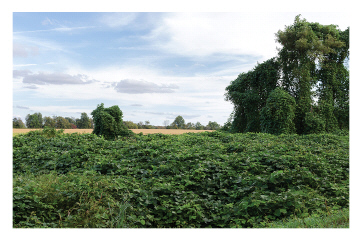 a. | Cogon grass | b. | Chinese tallow | c. | Kudzu | d. | Japanese
honeysuckle |
|
|
|
11.
|
Read the diameter tape below: 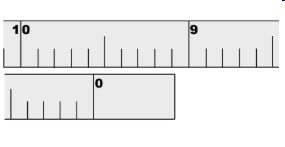
|
|
|
12.
|
What is the total height of the tree below? 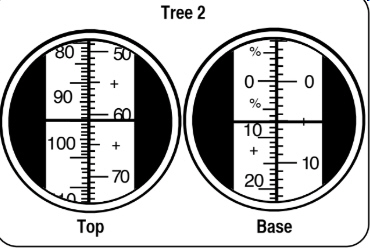
|
|
|
13.
|
An accident is
a. | Sudden or unintentional event that causes injury | c. | a substance used to stop pain or
itching. | b. | What happens when you wet the bed. | d. | loss of salt resulting in muscular pains &
spasms. |
|
|
|
14.
|
A way to prevent heat being an environmental hazard is to
a. | wear proper clothing | c. | pace yourself | b. | know the signs of heat
exhaustion | d. | all of the
above |
|
|
|
15.
|
Insects are generally not life threatening but they are ____________
during spring, summer, & fall.
a. | beautiful | c. | scarce | b. | annoying | d. | pink |
|
|
|
16.
|
Which of the following is not a way to protect yourself from
wildlife?
a. | Stay calm | c. | Taunt a mother bear | b. | Wear proper clothing | d. | Use good
judgement |
|
|
|
17.
|
Which of the following is not a venomous snake in Georgia?
a. | Coral snake | c. | Timber rattler | b. | Indigo snake | d. | Cottonmouth |
|
|
|
18.
|
The only deadly spider(s) in the US is/are the
a. | Black Widow | c. | Tarantula | b. | Brown Recluse | d. | Both A & B |
|
|
|
19.
|
This snake has a white mouth and typically lives in aquatic areas.
a. | Timber rattler | c. | Coral snake | b. | Cottonmouth moccasin | d. | Copperhead |
|
|
|
20.
|
Which of the following diseases can be carried by ticks?
a. | Lyme disease | c. | Tularemia | b. | Rocky Mountain Spotted
Fever | d. | All of the
Above |
|
|
|
21.
|
What is the best way to protect yourself from the Saddleback Caterpillar?
a. | OFF Deep Woods Spray | c. | Long sleeved shirts | b. | Wear a tank top | d. | Carry a lucky rabbit’s
foot |
|
|
|
22.
|
DBH is a measurement of the diameter of a tree at breast height which is:
a. | 4 feet above the ground level | c. | 5 feet above ground level
| b. | 4.5 feet above ground level | d. | 5.5 feet above ground level
|
|
|
|
23.
|
An instrument consisiting of a thin wedge of glass that is used to determine the
number of trees that should be counted when determining the basal per acre is called what?
a. | dendrometer | c. | hyposmeter | b. | prism | d. | clinometer |
|
|
|
24.
|
______ species, sometimes called confiers, are trees that have leaves in the
form of needles.
a. | Hardwood | c. | Evergreen | b. | Softwood | d. | Deciduous |
|
|
|
25.
|
When measuring diameter breast height of a tree with a Biltmore Stick, how many
inches from the eye is the stick held?
a. | 21 inches | c. | 25 inches | b. | 24 inches | d. | 30 inches |
|
|
|
26.
|
Trees cut for lumber are generally cut into _____ lengths.
|
|
|
27.
|
What is a Biltmore stick commonly used for?
a. | Measuring the harvestable height of a tree | b. | Clearing slash from
the forest floor | c. | Marking trees for culling | d. | Marking the ground to measure the level of pond
succession |
|
|
|
28.
|
a. | Sweetgum | c. | White Oak | b. | Sycamore | d. | Pecan |
|
|
|
29.
|
a. | Yellow-poplar | c. | Sugar Maple | b. | Red Maple | d. | Lodgepole Pine |
|
|
|
30.
|
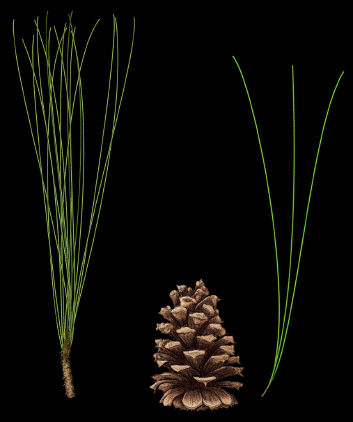 Needles 6-9 inches long Needles 6-9 inches longa. | Loblolly Pine | c. | Red Spruce | b. | Shortleaf Pine | d. | Black Cherry |
|
|
|
31.
|
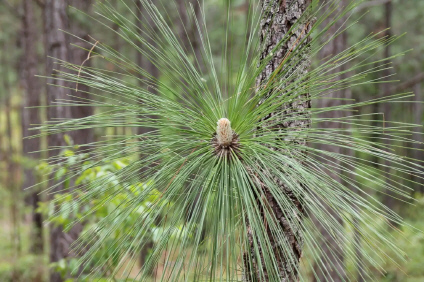 Needles 10-18 inches, bundles of
three a. | Longleaf Pine | c. | Lodgepole Pine | b. | Balsam Fir | d. | Elm |
|
|
|
32.
|
a. | Shortleaf Pine | c. | Sitka Spruce | b. | Eastern Redcedar | d. | American Beech |
|
|
|
33.
|
a. | American Beech | c. | Yellow-Poplar | b. | Black Cherry | d. | Red Pine |
|
|
|
34.
|
Using a 1 inch diameter class, a 15.2 inch tree will be tallied as what diameter
tree?
|
|
|
35.
|
An accident is
a. | Sudden or unintentional event that causes injury | c. | a substance used to stop pain or
itching. | b. | What happens when you wet the bed. | d. | loss of salt resulting in muscular pains &
spasms. |
|
|
|
36.
|
A way to prevent heat being an environmental hazard is to
a. | wear proper clothing | c. | pace yourself | b. | know the signs of heat
exhaustion | d. | all of the
above |
|
|
|
37.
|
Insects are generally not life threatening but they are ____________
during spring, summer, & fall.
a. | beautiful | c. | scarce | b. | annoying | d. | pink |
|
|
|
38.
|
Which of the following is not a way to protect yourself from
wildlife?
a. | Stay calm | c. | Taunt a mother bear | b. | Wear proper clothing | d. | Use good
judgement |
|
|
|
39.
|
Which of the following is not a venomous snake in Georgia?
a. | Coral snake | c. | Timber rattler | b. | Indigo snake | d. | Cottonmouth |
|
|
|
40.
|
The only deadly spider(s) in the US is/are the
a. | Black Widow | c. | Tarantula | b. | Brown Recluse | d. | Both A & B |
|
|
|
41.
|
This snake has a white mouth and typically lives in aquatic areas.
a. | Timber rattler | c. | Coral snake | b. | Cottonmouth moccasin | d. | Copperhead |
|
|
|
42.
|
Which of the following diseases can be carried by ticks?
a. | Lyme disease | c. | Tularemia | b. | Rocky Mountain Spotted
Fever | d. | All of the
Above |
|
|
|
43.
|
What is the best way to protect yourself from the Saddleback Caterpillar?
a. | OFF Deep Woods Spray | c. | Long sleeved shirts | b. | Wear a tank top | d. | Carry a lucky rabbit’s
foot |
|
|
|
44.
|
What are conifers commonly referred to as?
a. | Springwoods | c. | Softwoods | b. | Ironwoods | d. | Hardwoods |
|
|
|
45.
|
What are broad-leaved trees commonly called?
a. | Springwoods | c. | Softwoods | b. | Ironwoods | d. | Hardwoods |
|
|
|
46.
|
A gymnosperm has...
a. | an enclosed seed | c. | fleshy fruit | b. | a “naked” seed | d. | broad-leaves |
|
|
|
47.
|
Which of the following is NOT a type of leaf arrangement?
a. | Alternate | c. | Whorled | b. | Opposite | d. | Aggregate |
|
|
|
48.
|
A distance of 66 feet is a ...
a. | Azimuth | c. | Chain | b. | Bearing | d. | Declination |
|
|
|
49.
|
The angular variation of magnetic north from true north
a. | Azimuth | c. | Chain | b. | Bearing | d. | Declination |
|
|
|
50.
|
Directions on a compass measure from 0 to 360 degrees
a. | Azimuth | c. | Chain | b. | Bearing | d. | Declination |
|
|
|
51.
|
A direction of line in relation to the cardinal points of a compass
a. | Azimuth | c. | Chain | b. | Bearing | d. | Declination |
|
|
|
52.
|
The correct quadrant reading for a 220 degree azimuth bearing is:
|
|
|
53.
|
If you are traveling at an azimuth reading of 215 you are heading _____.
a. | Northeast | c. | Southwest | b. | Southeast | d. | Northwest |
|
|
|
54.
|
Which of the following trees has opposite leaf arrangement?
a. | Red Maple | c. | Aspen | b. | Sycamore | d. | Sweetgum |
|
|
|
55.
|
Which of the following trees has more than one leaflet per leaf?
a. | Pecan | c. | Black Birch | b. | Eastern Redcedar | d. | White Spruce |
|
|
|
56.
|
Which is not part of the fire triangle?
a. | Fuel | c. | Heat | b. | Soil | d. | Oxygen |
|
|
|
57.
|
A broad region of air with fairly uniform temperature & humidity.
a. | Air Mass | c. | High Pressure System | b. | Front | d. | Low Pressure
System |
|
|
|
58.
|
The dividing zone between two air masses.
a. | Air Mass | c. | High Pressure System | b. | Front | d. | Low Pressure
System |
|
|
|
59.
|
The air mass behind a cold front. They generally produce several days of good
burning weather.
a. | Air Mass | c. | High Pressure System | b. | Front | d. | Low Pressure
System |
|
|
|
60.
|
The air mass behind a warm front. They generally produce poor burning
conditions.
a. | Air Mass | c. | High Pressure System | b. | Front | d. | Low Pressure
System |
|
|
|
61.
|
Tendency of the air to resist vertical motion.
a. | Stability | d. | Temperature | b. | Wind | e. | Humidity | c. | Thunderstorms | f. | Precipitation |
|
|
|
62.
|
Air in horizontal motion
a. | Stability | d. | Temperature | b. | Wind | e. | Humidity | c. | Thunderstorms | f. | Precipitation |
|
|
|
63.
|
This factor is the most important variable affecting fire behavior once the fire
is ignited.
a. | Stability | d. | Temperature | b. | Wind | e. | Humidity | c. | Thunderstorms | f. | Precipitation |
|
|
|
64.
|
This affects the fire environment with cooler temperatures, rain, and gusty
erratic winds.
a. | Stability | d. | Temperature | b. | Wind | e. | Humidity | c. | Thunderstorms | f. | Precipitation |
|
|
|
65.
|
This decreases with height and should be higher when burning for site
preparation or hardwood control.
a. | Stability | d. | Temperature | b. | Wind | e. | Humidity | c. | Thunderstorms | f. | Precipitation |
|
|
|
66.
|
A measure of the amount of water vapor in the air expressed as a % of the amount
the air can hold at saturation.
a. | Stability | d. | Temperature | b. | Wind | e. | Humidity | c. | Thunderstorms | f. | Precipitation |
|
|
|
67.
|
The occurrence of this factor can usually be predicted in winter because it is
associated with a frontal passage.
a. | Stability | d. | Temperature | b. | Wind | e. | Humidity | c. | Thunderstorms | f. | Precipitation |
|
|
|
68.
|
Which is not a way to remove fuel from the fire triangle?
a. | Fire Rake | c. | Prescribed Burning | b. | Tractor with Fire Plow | d. | Backpack Water
Pump |
|
|
|
69.
|
The portion of the fire which the air is moving toward is the_________.
|
|
|
70.
|
The portion of the fire considered the sides of the fire is the_________.
|
|
|
71.
|
Fire is defined as the quick combustion of ___________with another
substance.
a. | wood | c. | air | b. | oxygen | d. | acetylene |
|
Multiple Response
Identify one
or more choices that best complete the statement or answer the question.
|
|
|
72.
|
Which of the following is a conifer?
|
|
|
73.
|
You are using a clinometer to determine tree height on level ground from a
distance of 100’. Your reading to the tops of the tree is +85%; the bottom reading is -5%. What
is the height of the tree?(NRS.02.03)
|
|
|
74.
|
What is the stinging bug found in our area that is not an insect?
|
|
|
75.
|
Which of the following would be an example of a topographic hazard?
|
|
|
76.
|
How many feet are usually in a “log”?
|
|
|
77.
|
To estimate the height of a tree use a(n) _______. (NRS.02.03)
|
|
|
78.
|
What does the black widow have on the underside of
its abdomen?
|
|
|
79.
|
Which of the venomous
snakes is solid black?
|
|
|
80.
|
What is a substance used to stop pain or
itching?
|
|
|
81.
|
What does DBH stand for?
|
Completion
Complete each
statement.
|
|
|
82.
|
________________ is a substance such as alcohol, iodine, or hydrogen peroxide
applied to prevent infection.
|
|
|
83.
|
An example of a topographic hazard is ______________.
|
|
|
84.
|
The immediate, temporary care given the victim of an accident is called
_____________.
|
|
|
85.
|
_____________ typically nest in hives in the ground, trees, bushes or old
building or barns.
|
|
|
86.
|
Poison Ivy has a smooth margin leaf that usually appears in groups of
_________.
|
|
|
87.
|
Poison Oak leaves are __________ instead of having a smooth margin like poison
ivy.
|
True/False
Indicate whether the
statement is true or false.
|
|
|
88.
|
Timber stand improvement may include removing desirable trees for thinning
purposes.
|
Matching
|
|
|
a. | Anesthetic | e. | Heat cramps | b. | Laceration | f. | Heat Exhaustion | c. | Wound | g. | Heat
Stroke | d. | Habitat | h. | Safety |
|
|
|
89.
|
a hurt or injury caused by cutting, stabbing, or breaking
|
|
|
90.
|
victim has extremely high body temperature & a failure of the sweating
mechanism.
|
|
|
91.
|
a substance used to stop pain or itching
|
|
|
92.
|
the action or condition of being safe, free from danger, risk or
injury.
|
|
|
93.
|
areas where animals & plants naturally live or grow.
|
|
|
94.
|
a cut, tear, or mangled place.
|
|
|
95.
|
feel weak, dizzy, sweaty, nauseous, or pale after being in the sun.
|
|
|
96.
|
caused by loss of salt resulting in muscular pains & spasms.
|
Short Answer
|
|
|
97.
|
List three things you might find in a first aid kit.
|
|
|
98.
|
What language are scientific names written?
|
|
|
99.
|
How many natural steps make a pace?
|
|
|
100.
|
How many degrees are in each quadrant of a compass?
|
|
|
101.
|
How many square feet are in an acre?
|
|
|
102.
|
A forest tract measures 2640’ wide by 5280’ long. How many acres are
in the tract?
|
|
|
103.
|
John’s normal pace is 4 feet long. How many paces would he need to measure
eight chains?
|
|
|
104.
|
John’s pace factor is 4.2 feet. How many steps does John take to measure
the distance of one chain?
|
|
|
105.
|
Fires that burn organic materials beneath the surface litter are:
|
|
|
106.
|
Fire rakes and fire plows eliminate:
|
|
|
107.
|
Backfire torches and prescribed burning can eliminate ___________ from the fire
triangle.
|
|
|
108.
|
Water from airplanes, helicopters, or backpack fire pumps eliminate
______________ from the fire triangle.
|
|
|
109.
|
This type of fire burns on the forest floor, moves slowly, and uses dry twigs
and dead grass as its fuel
|
|
|
110.
|
This type of fire burns in the upper foliage of trees and moves
quickly.
|
|
|
111.
|
This type of fire can create strong winds and its own draft. It can very easily
jump barriers such as rivers and firebreaks.
|
|
|
112.
|
The minimum mixing height for prescribed burning in Georgia is....
|
|
|
113.
|
To produce fire, what must be present?
|